
Whoa!
I was digging through recent Solana transactions yesterday. Really, the volume spikes and mempool behavior had my attention. Initially I thought it was just another dApp doing rewarded airdrops, but then I realized there were complex program interactions and fee patterns that suggested automated activity across multiple accounts. My instinct said somethin’ felt off about a few high-fee clusters.
Seriously?
I pulled up a blockchain explorer and started tracing transaction chains. The explorer showed repeated program log patterns and nested instructions across dozens of signatures. On one hand, this looked like legit high-throughput market making, though actually the timing and account reuse pointed toward automated staging of liquidity and wash-like behavior designed to game on-chain metrics and analytics dashboards. That discovery changed the way I assessed claims about organic adoption.
Hmm…
Okay, so check this out—Solana’s tooling is fast and forgiving. Block explorers give raw logs, but raw logs alone are noisy and incomplete for a human eye. So you start layering analytics, heuristics, address clustering and program decode steps, and only after that does a picture form that can distinguish legitimate liquidity flows from contrived on-chain theater. That layering is what separates casual viewers from reliable investigators.
Wow!
I rely on explorers that combine decoded instruction views, token balances, and performance histograms. When I spot repeated CPI calls to the same program across fresh wallets, that raises a flag. Actually, wait—let me rephrase that: not every repeated CPI means foul play, though patterns of simultaneous account creation, short-lived balances, and fee-skirting tactics often indicate automated orchestration rather than organic traffic. In practice you need both heuristics and human judgment.
I’m biased, but…
Tools that show decoded logs inline speed up triage significantly. I find address labels and token flow charts especially helpful during forensic deep dives. On the analytical side, constructing timelines of inflows, outflows, and cross-program interactions lets you correlate events with external triggers like oracle updates, orderbook changes, or coordinated scripts running off-chain. That cross-checking reduces false positives.
Check this out—
If you’re tracing deposits or swaps, many explorers show decoded instructions and token flows. Some make it easy to filter by program, by mint, or by instruction type. Still, the interface matters a lot because a poor UI can hide critical clues in nested logs and push you toward wrong assumptions when events overlap in milliseconds. Good filters and timeline views save hours during a deep dive.
Practical recommendation
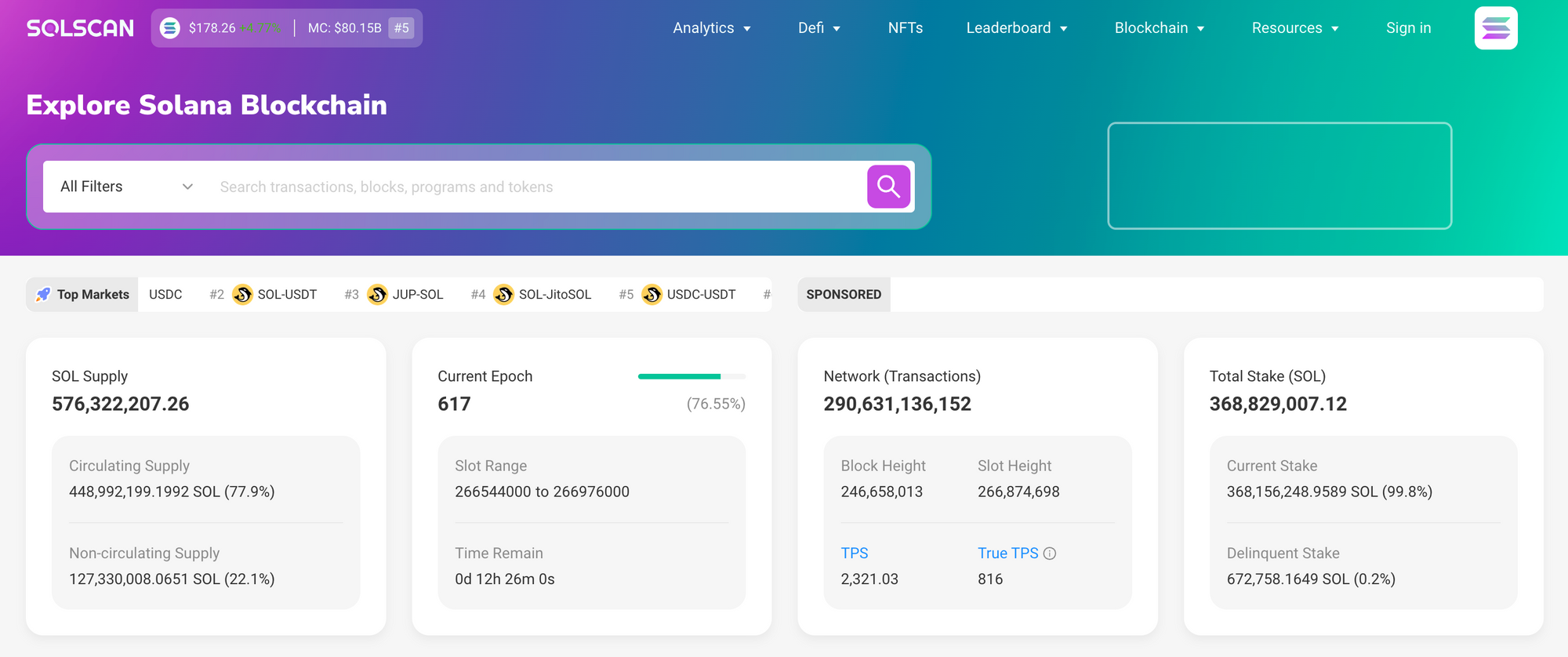
If you want something practical today, lean toward explorers that combine decoded logs with quick analytics. I often start with solscan for quick triage; it balances instruction decoding and token flow visuals. Pair that with custom scripts or exported CSVs when you need to run batch heuristics or merge on-chain timelines with off-chain events for attribution.
Really?
Wallet labels and verified program IDs speed identification. I bookmark address clusters during investigations for faster pivoting later. On the flip side, labeling systems depend on community input and can lag behind novel contract patterns, so sometimes you need to derive heuristics from raw logs before a name appears in the registry. That lag is annoying, very very annoying sometimes.
Hmm…
Metrics like average fee per tx, instruction counts, and retry rates reveal behavioral fingerprints. Plotting these over time often shows coordination windows. Combining on-chain timelines with off-chain events — tweets, exchange listings, bot deployments — you can often attribute cause, though attribution needs caution and corroboration from multiple data sources. I’m not 100% sure every signal maps cleanly, but correlations accumulate.
Okay, so check this out—
Investigating Solana transactions is part detective work and part systems engineering. You need tools that surface decoded calls, token flows, and account histories quickly. After dozens of runs I now favor explorers that give both raw transaction detail and immediate analytics, since the combination saves time and improves accuracy when you’re triaging high-volume events or hunting for clever on-chain manipulation. In other words, be skeptical, be curious, and keep testing your assumptions.
FAQ
Which metrics should I check first when a spike happens?
Start with fee per tx, instruction counts, and account age distributions. Those give quick signals about bot activity versus organic user growth. Then expand to token flow and CPI patterns for deeper context. Oh, and export a CSV if you want to run your own heuristics or pivot quickly to batch analysis.